Outdoor Fun Ideas That Bring Everyone Together

Spending time outdoors has slipped back into everyday life in a quiet, unannounced way. It is no longer framed as a lifestyle choice or a wellbeing strategy. It is simply where people are finding it easier to be together. Open spaces are being used because they allow conversations to happen without effort and time to pass without being accounted for.
Plans have started to loosen as well. Instead of carefully mapped schedules, many outings are shaped around availability, weather, and how everyone feels on the day. Shorter trips feel less demanding. Activities that can pause or change direction suit groups better than rigid plans ever did. The measure of a good day has shifted from how much fits in to how comfortable it feels for everyone involved.
Why Being Outdoors Changes How Groups Interact
There is a noticeable difference in how people relate to one another once they step outside together. Without constant alerts, seating plans, or fixed start and end times, interactions soften. Conversations drift rather than compete. Silence no longer needs filling.
Healthline guidance points to the social benefits of outdoor movement, but the effects are often easiest to notice informally. Walking side by side removes the pressure of eye contact. Sitting outdoors allows people to come and go without explanation. Participation becomes fluid. Some join fully, others hover on the edge, and both feel equally acceptable.
This is what makes outdoor settings work so well for mixed groups. Different ages, personalities, and energy levels can share the same space without constant adjustment or reassurance.
Read: 9 DIY Project Ideas that Teach Kids Valuable Skills
Activities That People Settle into Naturally
Informal Games and Easy Movement
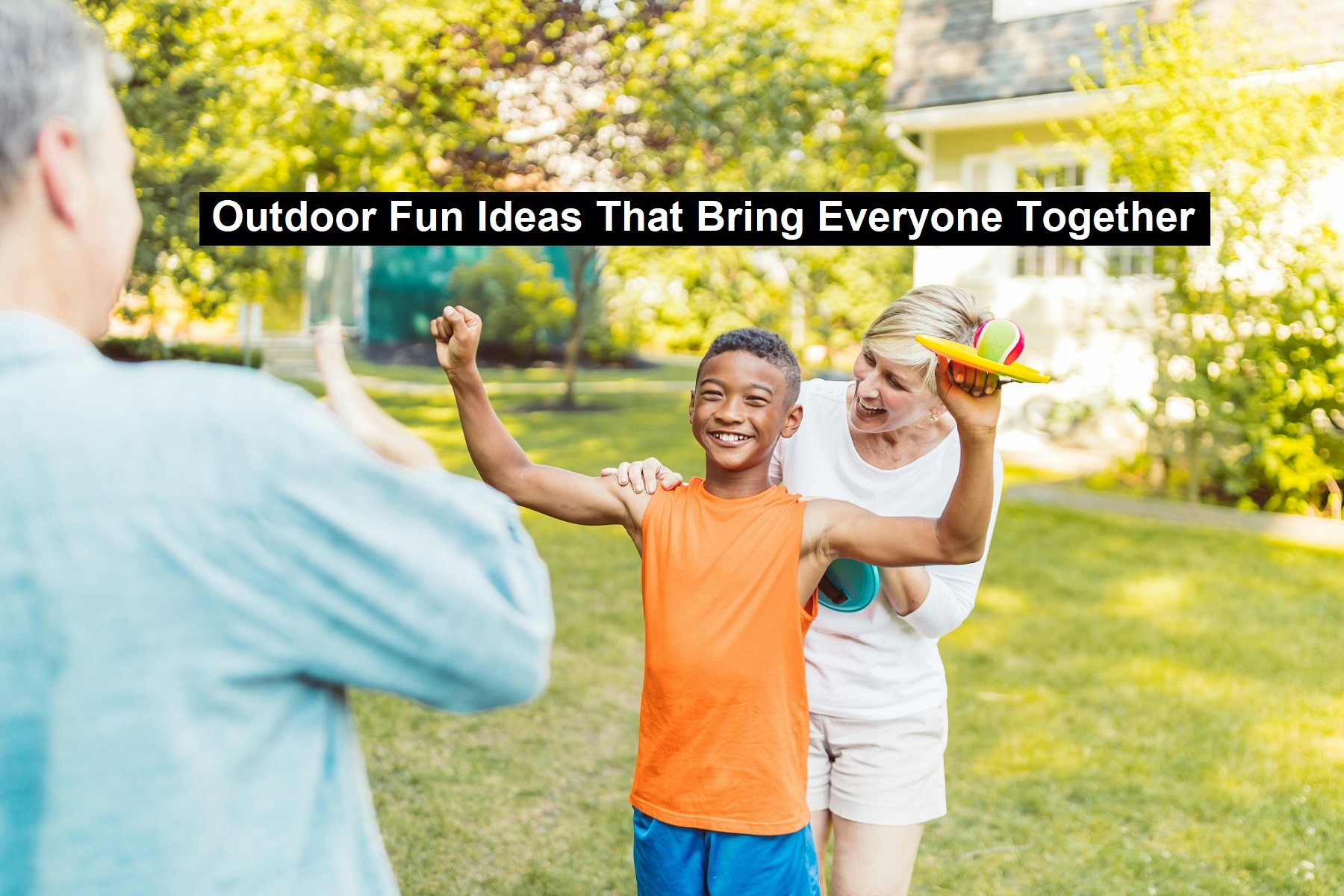
Casual games have a way of organising themselves. A ball appears, someone kicks it back, and suddenly an activity exists without anyone announcing it. Rounders, Frisbee, or a relaxed football kick about can shift in size and pace as people join or drift away. Rules stay flexible. The point is not to win, but to keep things moving comfortably.
Walking Routes and Open Ground
Walking continues to suit group time because it demands very little. Coastal paths, woodland trails, and open parkland allow people to talk when they want to and focus on the surroundings when they do not. Well-marked routes and resting points reduce uncertainty, which often matters more than distance.
Sharing Food Outside
Food tends to gather people without asking much in return. Picnics, shared lunches, or simple outdoor cooking moments create natural pauses. People linger. Conversations restart. The structure is loose, contributions are modest, and no one feels responsible for carrying the experience alone.
Why Place Often Matters More Than Planning
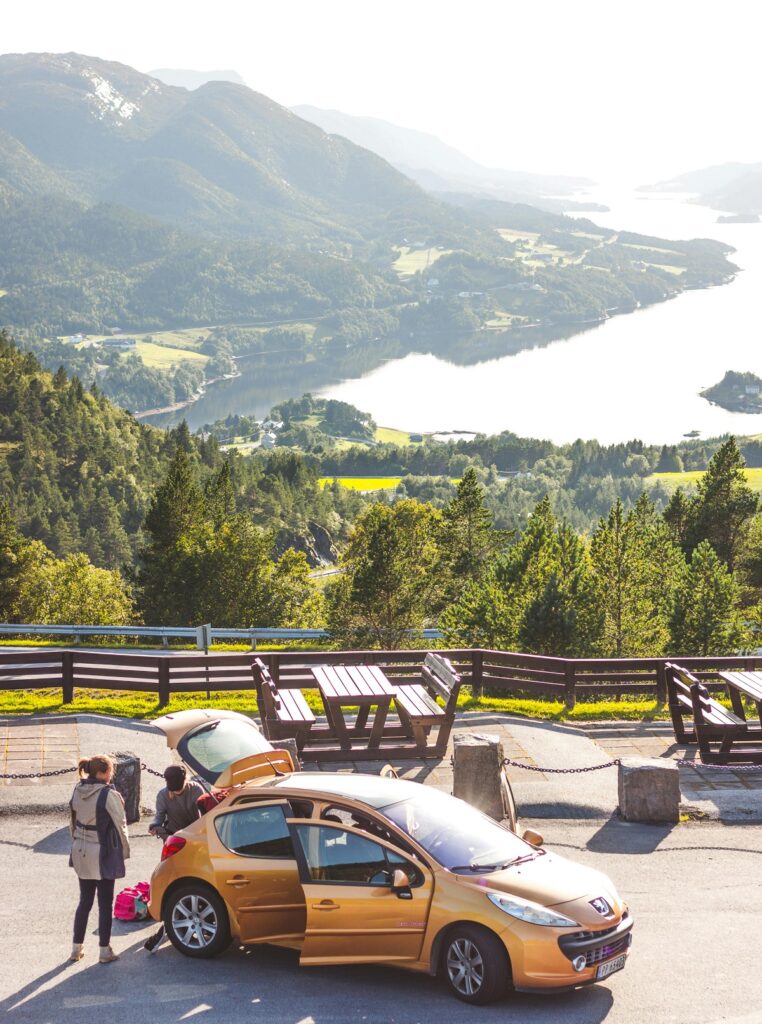
The setting often shapes the success of outdoor time more than the activity itself. Spaces that offer room to move alongside basic facilities tend to keep people relaxed. Access to shelter, toilets, and nearby paths means plans can adapt without becoming stressful.
When groups spend more than a single day together, environments that combine outdoor space with nearby accommodation help things run more smoothly. In these situations, caravan holiday parks may be part of a wider arrangement, particularly when several households want shared time without losing personal boundaries. Used this way, the location supports connection rather than drawing attention to itself.
Letting the Seasons Set the Pace
Outdoor plans naturally change throughout the year. Spring and summer allow longer days and slower evenings. Autumn often suits walking, coastlines, and quieter countryside spaces. Winter can still work when expectations are realistic, with shorter outdoor stretches followed by warmth and shelter.
According to BBC News, travel patterns show a clear move towards shorter, more frequent breaks rather than long holidays planned far ahead. Outdoor time is increasingly fitted around work, school, and everyday routines, rather than treated as an interruption to them.
Making Space for Everyone to Take Part
Comfort plays a bigger role than enthusiasm. Flat paths, places to sit, and clear access information often determine who feels able to join in. Many outdoor destinations now provide this detail upfront, which makes planning less uncertain.
Cost matters too. Activities that rely on shared space instead of equipment tend to attract wider participation. Simpler plans often feel more open, not less considered.
Why These Experiences Stay with People
Outdoor time rarely stands out because it is impressive. It stays because it feels unforced. People remember the ease of it. The way conversations unfolded without effort. The sense that time passed without being monitored.
As flexible, experience-led leisure continues to shape how time is spent, outdoor activities remain one of the most reliable ways to bring people together. Their value lies in how little they demand, and how much space they leave for connection to happen on its own.