
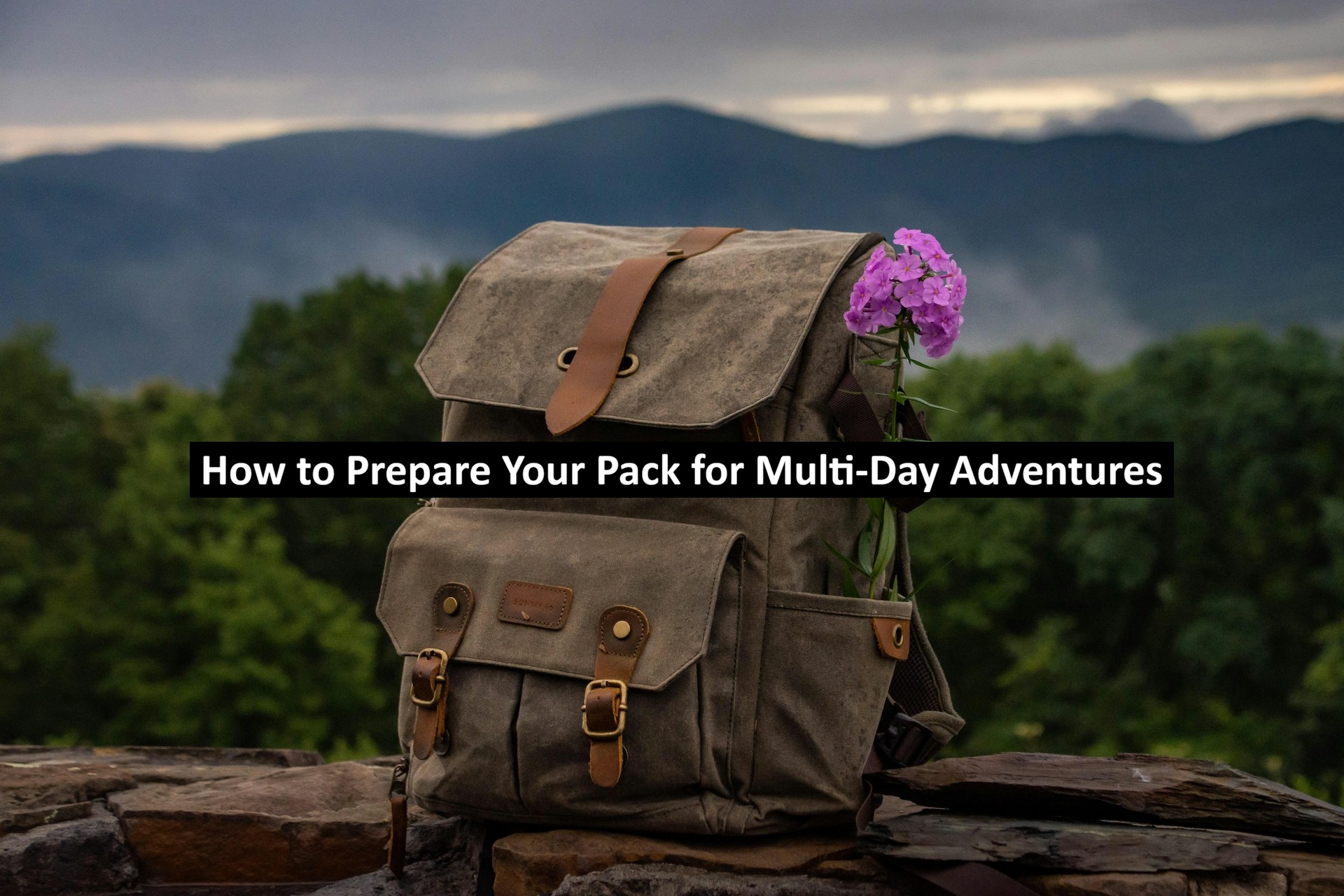
How to Prepare Your Pack for Multi-Day Adventures

Studies have shown that the average American spends about 90% of their time indoors. As a result, most people miss out on the potential benefits of spending more time outdoors, such as reduced stress levels, improved mood, and better overall focus and concentration.
If you struggle to spend as much time outside as you would like, planning a camping trip might be the key to breaking this habit. It may motivate you to get outdoors more often, thereby enabling you to enjoy all the benefits we just listed, plus others.
Before you head out on this trip, though, you must prepare your backpack for your multi-day adventures. Here is how to do it.
Begin by Investing in the Right Backpack
Are you thinking about using an ordinary backpack for your multi-day adventures? Please think again.
Rather than taking this backpack, buy one specifically designed for camping. It will provide your possessions with more protection while simultaneously making them easier to access. It will also be more comfortable to carry.
Read: Outdoor Fun Ideas That Bring Everyone Together
Make Sure Your Pack Is Waterproofed
Many camping backpacks are already waterproof or, at the very least, water-resistant. Still, you shouldn’t let this stop you from waterproofing yours further, virtually guaranteeing that you won’t have to worry about moisture wreaking havoc on everything inside.
Doing something as simple as lining the interior of your backpack with a heavy-duty trash bag can keep moisture out. If you have room in your budget, consider investing in dry bags to get the job done.
Gather Everything You Plan to Bring
The last thing you want to do is haphazardly pack your backpack for multi-day adventures and forget to put something important inside. This could force you to unpack everything and start over again.
With this in mind, you should collect everything you plan to take on your trip and lay it all out on the floor in front of your pack. This will give you a better idea of what will fit while also ensuring you don’t inadvertently leave anything behind.
Add Lightweight and Little-Used Items to Your Pack First
Your first instinct might be to toss all the heaviest items that you want to bring on your trip into your backpack first. This will, after all, prevent these things from crushing anything that you put beneath them, right?
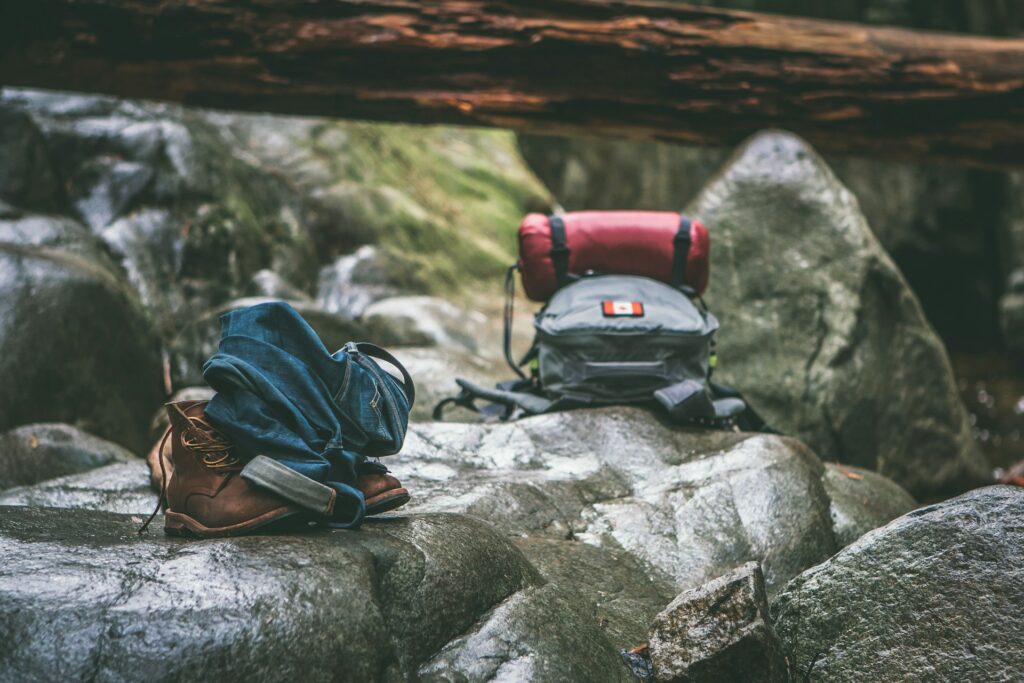
This is logical, but in this instance, it isn’t the best choice. Instead, put lightweight items and anything you won’t use much at the bottom. Your sleeping bag, for example, should go here since you won’t need it too often, other than when it’s time to hunker down at a campsite.
Fill the Middle of Your Pack With Heavier Items
Once you’ve filled the bottom of your pack, the next order of business will be filling the middle of it with heavier items. Things like food, pots and pans, and stoves should land here.
Once again, it may not make sense to put heavy items in the middle rather than at the bottom. But after you see how much more stable it is with them in this part, you will understand.
Keep Your Most Frequently Used Items at the Top of Your Pack
Certain items in your pack will need to be readily accessible so that you can grab them at a moment’s notice. Examples include your water and snacks, rain gear, and anything else you may need urgently when you’re exploring the wilderness.
Leaving these items in the middle or, worse, at the bottom of your pack can be inconvenient, as you will have to unpack everything to get them later. Outdoor enthusiasts will tell you to keep them near the top of your pack.
Eliminate Empty Spaces in Your Pack
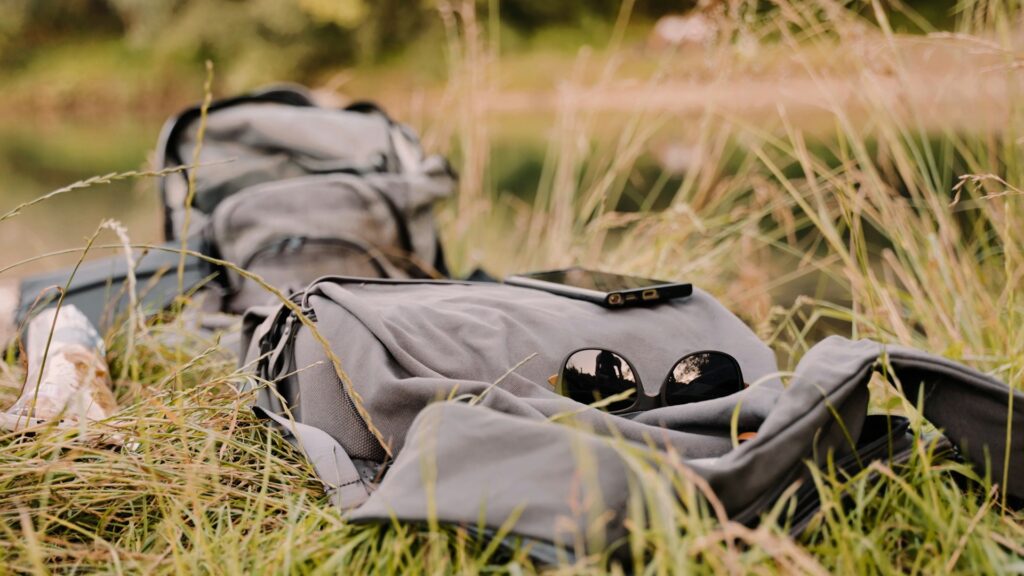
Having a little bit of extra space in your backpack after you finish packing doesn’t seem like it would be the worst thing in the world. However, empty spaces can cause items to shift, making your bag harder to carry and possibly even leading to some of your possessions breaking.
Fill empty spaces in your pack with clothing or other items that will take up space without adding too much weight. If this becomes a common problem, consider buying a smaller camping backpack.
Close Your Pack Securely and Keep It Upright
Once your pack is filled and ready to go, close it and secure it shut. Then make sure it remains upright while you’re still at home, so nothing inside shifts around before your multi-day adventures.
Continue following these steps whenever you need to unpack and repack your possessions throughout your trip. You will be glad you did after seeing how much easier it makes carrying your backpack in the wild.
Make the Most of Your Multi-Day Adventures by Preparing Your Pack Properly
Preparing your pack properly in the days leading up to multi-day adventures is essential. Whether you’re packing food and water or accessories for EDC, putting everything in the appropriate place can make your trip go more smoothly than it might otherwise. Check out our other blogs to find more travel-related tips.